
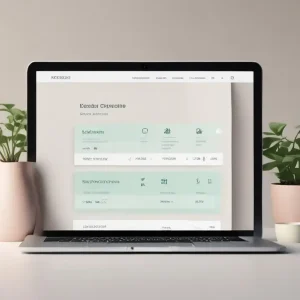
Patient history

AI patient history for your clinical records.

Every session so far, summarised before you walk in.

PractoSync reads the patient’s own session notes and gives you a timeline, a summary and the questions worth asking — in the time it takes to open the appointment.

How PractoSync builds a patient history

1. A timeline of every session

Each session appears in order with its date, its status and a one-line summary. Select any point on the timeline to read that session in full. Cancelled appointments are shown struck through rather than quietly dropped, so the gaps in a course of treatment are visible.

2. A summary of the whole history

Not just the last note — a written summary drawn from the patient’s sessions, so a practitioner picking up a case can see how it has actually progressed.

3. Treatment themes

What has genuinely been worked on across the course of treatment, pulled out of the notes rather than remembered.

4. Questions worth asking next

Suggested questions for the session you are about to start, based on what the previous notes raised and never closed off.

5. Missing information, stated plainly

Practical documentation gaps — no recent outcome measure, no formal diagnosis recorded, no documented goal. Written to be factual rather than alarming, so it reads as a checklist and not a reprimand.

6. Attendance at a glance

Booked, attended, cancelled and no-show counts sit above the timeline, so a pattern of missed appointments is obvious before the conversation starts.

It keeps itself current. When a new note is written the history rebuilds in the background and tells you it is doing so. Sessions that have not changed are not re-read, so it stays quick as a patient’s file grows.

Why practices choose PractoSync patient history

For your practitioners

  • Walk in already briefed: no reading back through months of notes between patients.
  • Continuity across practitioners: covering a colleague’s patient no longer starts from nothing.
  • Prompts, not prescriptions: suggested questions and gaps are there to be used or ignored.
  • Open it where you already are: from inside the appointment, or full screen when you want the detail.
  • Suggested ICD10 codes: drawn from the history, ready to confirm rather than hunt for.

For your practice

  • Practitioner-only by design: the clinical history is gated to practitioners, both in the interface and on the server.
  • Better handovers: locums and stand-ins get the same picture as the regular practitioner.
  • Documentation gaps surface early: while they can still be fixed, not at audit time.
  • Builds quietly in the background: nobody waits for a screen to think.
  • Fewer repeated questions: patients stop being asked things they have already answered.
Every session so far, summarised before you walk in.

Continuity that survives a change of practitioner.

Patient history FAQs

What does the patient history show me?

A timeline of every session, a written summary of the case so far, and the themes treatment has actually covered. It is built from the patient’s own notes rather than from anything you have to fill in.

How is this different from just reading the previous notes?

It reads them for you. Instead of paging back through months of consultations between patients, you get the shape of the case in one view, with any individual session available in full when you want it.

Does it suggest what to ask in the next session?

Yes. It surfaces questions raised in earlier notes that were never closed off, so they can be picked up rather than forgotten. They are prompts to use or ignore, not instructions.

Will it tell me what is missing from the record?

Yes. It lists practical documentation gaps such as no recent outcome measure, no formal diagnosis recorded or no documented goal. The wording is deliberately factual rather than alarming, so it reads as a checklist.

Can I see attendance and cancellations?

Yes. Booked, attended, cancelled and no-show counts sit above the timeline, so a pattern of missed appointments is visible before the conversation starts.

Does it stay up to date as new notes are written?

Yes. When a new note is written the history rebuilds in the background and tells you it is doing so. Sessions that have not changed are not re-read, so it stays quick as a file grows.

Who can see the patient history?

Practitioners. The clinical history is limited by role both in the interface and on the server, so it is not available to administrative staff who do not need it.

Does it suggest diagnosis codes?

Yes. ICD-10 candidates are drawn from the history so they can be confirmed rather than hunted for. The final choice stays with the practitioner.

Is it useful when a locum or a colleague covers for me?

That is where it earns its place. Somebody picking up a patient they have never seen gets the same picture as the regular practitioner, instead of starting from nothing.

Where do I open it?

From inside the appointment when you want a quick view, or full screen when you want the detail. Both show the same history.